
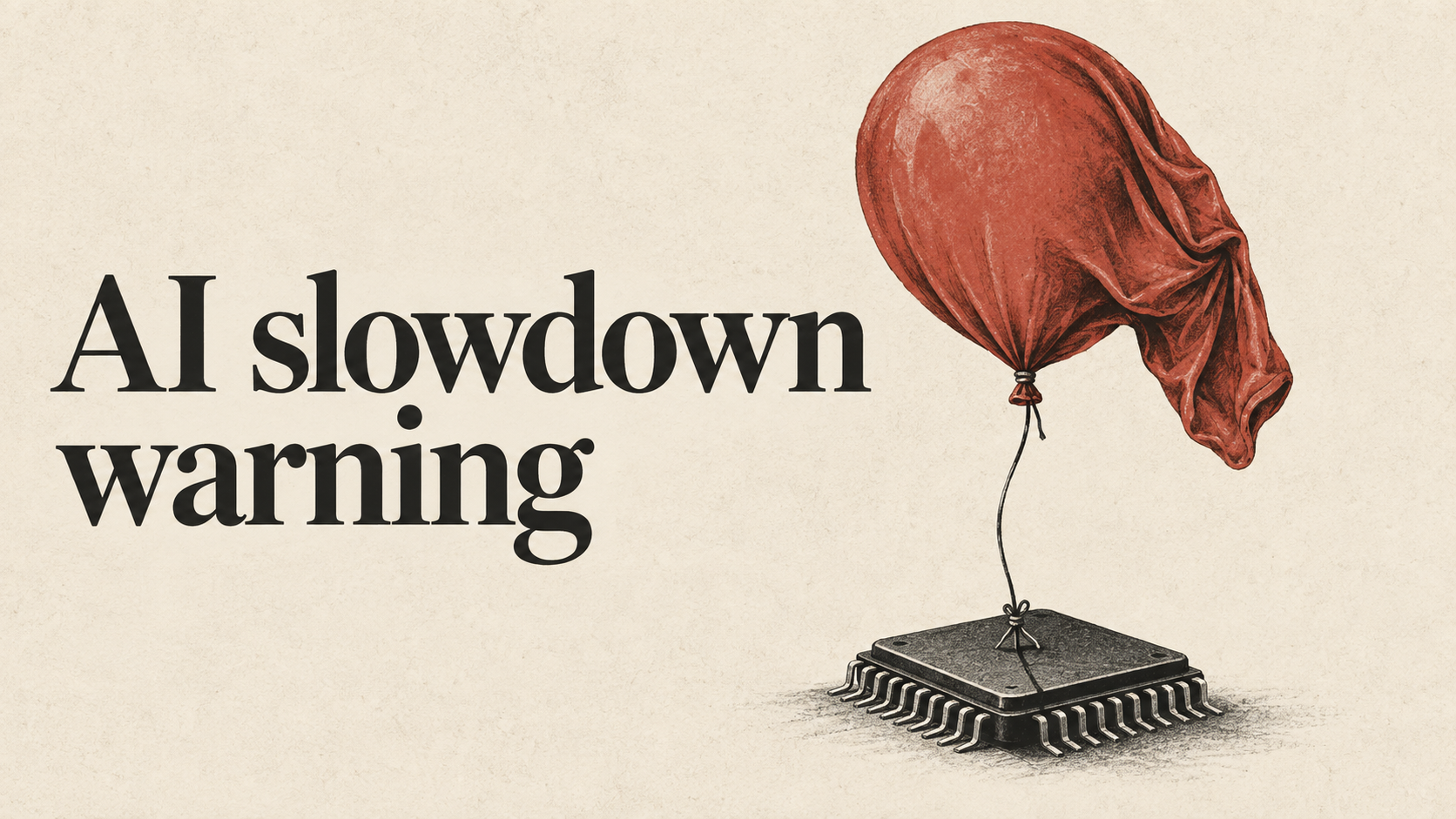
Anthropic CEO Dario Amodei published an essay over the weekend calling on AI companies to slow the pace of frontier model development, citing the risk of misuse. OpenAI's Sam Altman and xAI's Elon Musk both voiced agreement — Altman separately ruled out an IPO this year on similar grounds. The essay rattled Sunday-night futures: Nasdaq 100 futures fell as much as 1.2%, S&P 500 futures dropped 0.6% and Dow futures slipped 0.4%, with AI-linked names slumping in early Asian trading as the new week opened.
What to watch
- The Fed's two-day FOMC meeting begins today; the rate decision lands Wednesday, September 16 at 2:00pm ET, alongside the Summary of Economic Projections.
- Odds trackers disagree sharply on a 25bp hike — Polymarket puts it near 49%, Kalshi around 57%, CME FedWatch near 60%, while some inflation-driven trackers run as high as 85–90%. Going into the decision, it reads as a genuine coin-flip rather than a settled call.
- Wednesday also brings US retail sales and UK CPI; Canada's CPI lands today, with China macro data and UK labour-market figures due Tuesday.
- No index-rebalance effective date falls in this window — the next quarterly S&P/Nasdaq-100/FTSE Russell reviews take effect Friday, September 18.
Markets
Wall Street snapped a four-day losing streak on Friday, September 11, as August CPI came in in-line (headline +0.4% month-over-month, core +0.3%, slightly hot but within tolerance). The Dow rose 0.98% to 52,573.29, the S&P 500 gained 0.86% to 7,656.98 and the Nasdaq added 0.96% to 26,333.04 — though all three still closed the week lower. Monday's premarket tone reversed that gain, with futures pointing down on the AI-slowdown story above rather than on any fresh rate-driven catalyst.
In Europe, stocks closed higher on Friday as oil prices fell and UK GDP grew more than expected, though London lagged the continent: the FTSE 100 rose 0.5% to 14,404, while the DAX and CAC 40 each added 0.8% — roughly half a point ahead of London, consistent with the FTSE's heavier commodity and bank weighting underperforming when oil is falling.
Commodities
Oil reversed sharply from Friday's dip after Saudi Arabia shut its East-West crude pipeline — roughly 4 million barrels a day, about 4% of global supply, normally moving crude to the Red Sea port of Yanbu — as a precaution following multiple drone attacks launched from Iraq on September 11. Repair estimates run five to six weeks. WTI rose 2.47% to $102.52 a barrel on Monday, with Brent trading near $108. Gold eased to about $4,348.62 an ounce, off the highs above $4,400 hit earlier in the week, as hot US inflation data, rising Treasury yields and Fed hike bets offset Middle East safe-haven demand.
Crypto
Bitcoin traded at $77,537.14 as of 05:56 UTC Monday, up 0.9% from the midnight-UTC open of $76,842.01, after grinding higher steadily through the Asian session overnight with no single catalyst — a gradual bid that carried it to an intraday high of $77,869.82. Ether traded at $2,514.02, up 1.5% from its $2,477.10 open. Among the majors, XRP was the standout mover, up 2.9% to $1.3799; SOL rose 1.75% to $101.04, DOGE gained 2.2% to $0.0842 and BNB added 1.25% to $725.38.
On the regulatory side, the Senate's CLARITY Act — which would codify the current SEC/CFTC crypto-asset classification framework into statute — faces a cloture vote on Tuesday, September 15, the day after the chamber returns from recess, with only 14 working days left before an October recess and 22 through year-end. Sticking points include an ethics clause barring elected officials from launching tokens, DeFi treatment, stablecoin yield, and illicit-finance safeguards. The SEC's own crypto-asset rulemaking, proposed August 19 with a 60-day comment period, and the CFTC's planned market-structure rule, announced August 21 by Chairman Selig, both stand as a regulatory fallback if CLARITY stalls or fails.
What it means for crypto trading
Wednesday's FOMC decision is a genuine coin-flip across prediction markets, not a settled hike-odds consensus, and that's the dominant near-term risk for crypto. Layered on top is Monday's AI-driven risk-off in tech futures, which crypto tends to move with when Nasdaq futures are under pressure, plus a live Middle East oil-supply shock that could keep cross-asset volatility elevated into the decision. A hawkish surprise on Wednesday, on top of an already-jumpy risk-asset tape, is the scenario most likely to hit crypto hard.
Sources:
- Bloomberg — US Stock Futures Fall on AI Warning, Oil Gains
- Yahoo Finance — Amodei's AI Slowdown Warning Rattles Futures
- Investing.com — AI-linked Asian stocks slump after top lab CEOs call for slowing down technology's development
- CNBC — Saudi Arabia shut down East-West crude oil pipeline
- The National — Oil nears $108 after Saudi Arabia shuts pipeline amid attacks
- The Business Standard — Saudi pipeline outage threatens loss of 4% of global oil supply
- Markets.com — Gold Price Today
- Markets.com — Oil Price Today
- Yahoo Finance — Stock market today, Friday, September 11
- TheStreet — Stock Market Today (Sept. 11, 2026)
- MarketScreener — European Stocks Close Higher in Friday Trading
- Norton Rose Fulbright — SEC and CFTC release joint interpretation on crypto asset regulation
- CNBC — Crypto enters September with policy gamble hanging by a thread
- Yahoo Finance — FOMC September 2026 Odds of Rate Hike Surge Over 60%
- FedRateCalc — FOMC Meeting Schedule September 2026
- LiteFinance — Weekly Economic Calendar for 14.09.2026–20.09.2026